Painting Kitchen Cabinets Without Gutting the Kitchen
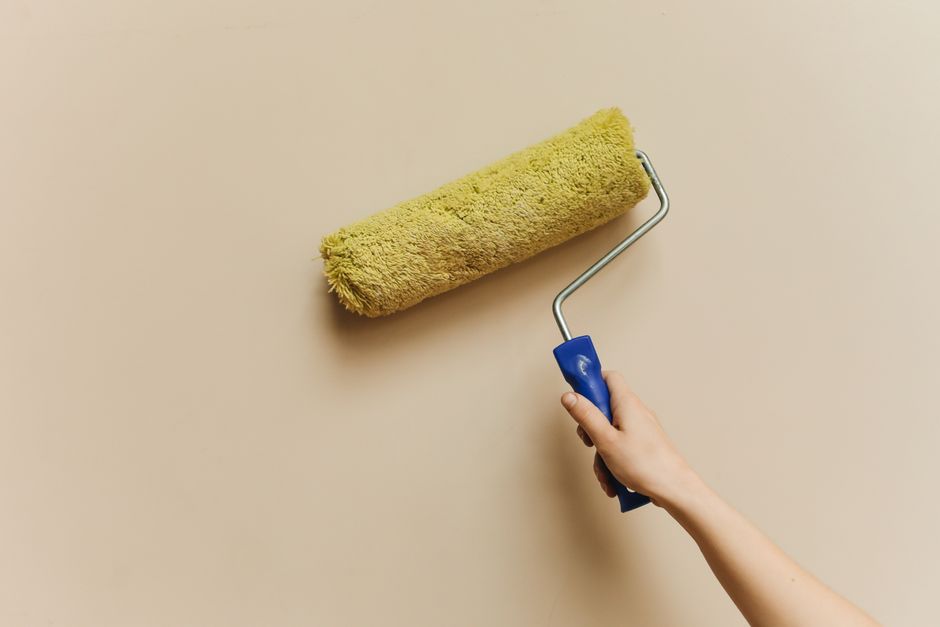
Nothing about a kitchen cabinet looks dirty until a degreaser touches it and the rag comes away brown. The running record interior painting torrance comedy club williamsburg holds shows that cabinet painting fails at the cleaning step far more often than at the paint, and a kitchen in Torrance, CA collects cooking film on every door near the stove. A painter doing this interior work keeps the kitchen usable by taking it in stages, a few doors at a time.
Degreasing first

Cabinet doors near the range carry a thin layer of oil that paint will not stick to. A strong degreaser and a scrub pad take it off, followed by a clean water rinse. Skipping this and going straight to sanding just drives the grease into the wood grain. Hinges and pulls are removed and bagged by door number, so everything goes back where it came from.
Doors off, boxes stay
Doors and drawer fronts come off and move to a workspace, usually a garage or a spare room. The cabinet boxes stay in the kitchen and get masked, with the counters and appliances covered in plastic. That keeps the cooking area partly alive. Labeling the inside of each door with a piece of tape avoids a puzzle later when twenty identical doors come back to the wall.
Sanding and bonding primer
A scuff sand with fine paper dulls the factory finish so the primer can grab. Raw wood with open grain, common on older oak cabinets, may need a grain filler for a smooth look. A bonding primer goes on next, either a shellac based or an acrylic bonding type, and it locks to glossy surfaces. A light sanding after the primer dries removes dust nibs before the topcoat.
The topcoat
A cabinet takes a hard enamel, usually satin or semi gloss, in a waterborne formula that levels well. A fine foam roller on flat areas and a good brush on the profiles give a finish with little texture. A sprayer gives the smoothest result, though it needs more masking and ventilation. Two coats are standard, with a day between them, and drawers get the same treatment inside the front edge.
Cure time is not dry time
Paint dry to the touch in hours is still soft for days. Cabinet enamel can take two to four weeks to reach full hardness. During that time doors are handled gently, no stickers or magnets go on, and bumpers are put on the door corners to keep fresh paint from fusing to the frame.
Cooking around the project
Most families stay in the house, so the kitchen gets planned in sections. A microwave and a coffee station can move to the dining room, and meals shift to simple ones for a few days. Low-VOC paint keeps the smell down, and a window fan moves the air out while the doors cure in the garage.