Reading Paint Failure on Interior Walls in Torrance Homes
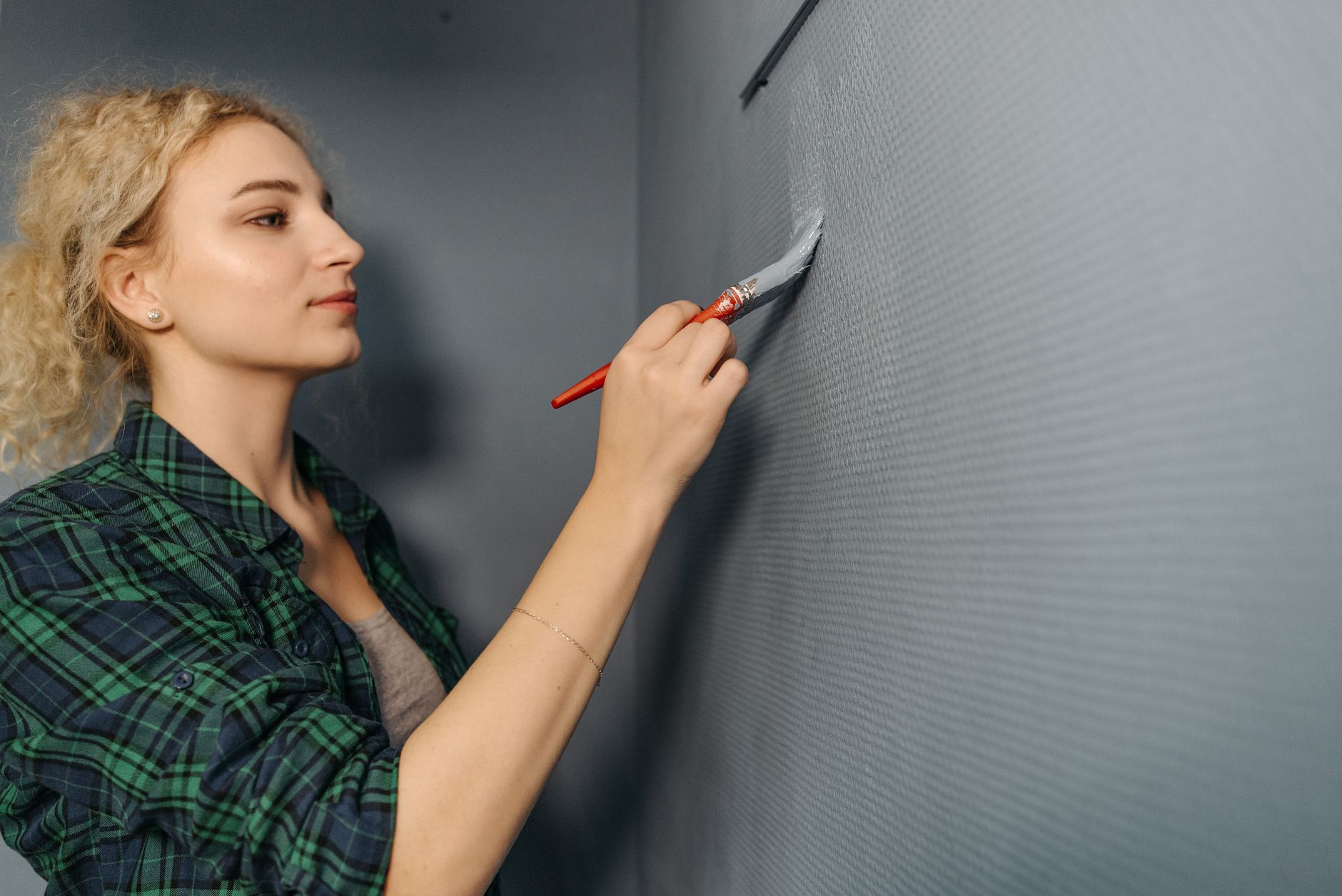
Paint that fails inside a house is telling the painter something. A bubble, a crack or a chalky film points to a specific cause, and a repaint that ignores the cause will fail the same way again, usually within a year. Walls in Torrance homes see a particular mix of conditions: salty air drifting in from the Pacific Ocean, tract houses built on the same drywall and texture, thirty years of one family's use, and rooms that stay closed up with little air movement. Reading the failure first saves a repaint.
A quick field guide to what the wall is saying
| What shows | Likely cause | What the repair needs |
|---|---|---|
| Blisters or bubbles | Moisture behind the film, or paint applied over a dirty or damp surface | Find the moisture, scrape back to sound paint, prime, repaint |
| Peeling in sheets | Poor bond to a glossy or dusty layer underneath | Scrape, scuff sand, bonding primer |
| Hairline cracks in a web | Paint applied too thick, or an old brittle layer | Sand back, skim, prime, thinner coats |
| Straight cracks along seams | Tape failure or house movement at drywall joints | Cut out loose tape, retape, compound, sand, prime |
| Chalky powder on the hand | Old flat paint breaking down | Wash, seal with primer |
| Black or green spots | Mildew from damp, still air | Wash, treat, improve ventilation, mildew resistant primer |
| Brown rings on a ceiling | Past or present water leak | Fix the leak, stain blocking primer, repaint the ceiling |
| Flat dull patches | Flashing over new compound without primer | Prime the patches, recoat the wall |
The table is a starting point. Each of those rows hides a few variations, and the next sections go through the ones that come up most in lived-in Torrance houses.
Blisters and peeling in bathrooms and closets
Bathrooms are where paint fails first. Warm vapor from showers condenses on ceilings and exterior walls, and coastal air near the South Bay already carries humidity before anyone turns on a faucet. A bathroom with a weak fan can hold a film of moisture on the ceiling for an hour after every shower. Over a year or two, the paint softens, loses its grip and lifts in blisters the size of a coin.
Closets on exterior walls behave the same way. Nothing moves the air in a closet, and clothes pressed against the wall keep the surface damp and cool. A few black freckles along the baseboard in a closet are an early sign that the paint is holding mildew instead of shedding it. The fix is a wash with a diluted cleaner, a full rinse, a day of drying and a mildew resistant primer, then paint in satin or semi gloss that wipes clean.
Cracks that come back
A crack that returns after painting has a cause the paint did not touch. Hairline cracks that look like dry mud come from thick paint that shrank as it dried, which often follows a heavy roller coat applied over a deep color. Those need sanding back, a coat of primer and thinner coats of the topcoat.
Straight cracks that run along a joint, especially at the corners of doors and windows, are different. The drywall tape has either lifted or never bonded, and the house flexes a little at that point through the seasons. Painting over it hides the line for a few months. Cutting out the loose tape, embedding new tape in compound, feathering and sanding the repair, and priming it makes a lasting fix. Some homeowners near the Madrona Marsh area, where the ground is softer than on the higher streets, notice more seasonal movement at seams than people up the hill.
Chalking and the old flat finish
Run a dry hand across an old flat wall. If white powder comes off on the palm, the binder in the paint has broken down. New paint over a chalky surface will not bond, because it is sitting on loose pigment instead of a film. Walls like this get washed, allowed to dry and sealed with a primer made to bind chalk before the color goes on.
The same pattern shows on ceilings that were painted flat decades ago and never recoated. They may look fine from the floor and still shed dust when touched. A primer coat solves it, and two coats of fresh flat ceiling paint follow.
Stains that return through new paint
A brown ring from an old leak comes back through paint if the stain is not sealed. A water based paint alone lets the tannin or rust color wick through within days. An oil based or shellac stain blocking primer locks the stain in. The important point is that the leak has to be found and fixed first. A stain that grows between coats means water is still arriving, and no primer is a substitute for a repaired roof flashing or a replaced supply line.
Smoke and cooking film behave similarly. A kitchen ceiling above the range may be yellow with grease, and paint rolled over it will bead and peel. Degreasing, a rinse and a bonding primer take care of it.
Flashing and uneven sheen
Sometimes the failure is only cosmetic. A wall that was patched in several spots and then painted in a single coat shows the patches as dull islands in the light from a window. Painters call this flashing. Compound and spackle soak up paint differently from the surrounding wall, so the sheen changes where they sit. Primer over the repairs, followed by two full coats of eggshell or satin across the whole wall, evens it out. A skim coat helps when there are many repairs in one area.
Roller marks and lap lines come from a different cause. A roller that dried at the edge before the next pass overlapped it leaves a visible band, particularly in satin. Working in sections from the wet edge, keeping a full roller and avoiding the heat of mid-afternoon sun through a window prevents it.
What older homes add to the problem
Torrance has a mix of housing from the postwar boom through the more recent tract developments, and each era carries its own trouble. Older plaster and thick layers of oil based enamel on trim stop new latex from bonding without a scuff sand. Houses with decades of patching show every repair under raking light. Newer drywall homes, with thin walls and fast construction, show nail pops and tape seams.
Neighborhoods near the Del Amo Fashion Center and across the wider Los Angeles County area share the same pattern: good quality surface prep matters more than the brand on the can. A premium acrylic over a dirty, glossy wall will fail before a basic one over a clean, scuffed, primed surface.
A sequence that works for most repairs
- Find and fix the cause: leak, vent, loose tape or bad ventilation.
- Scrape and sand every failed area back to sound paint.
- Wash grease, mildew and dust off the surface, and let it dry fully.
- Patch, skim or retape as the damage needs, and sand smooth.
- Prime the repairs with the right primer for the failure: bonding, stain blocking or mildew resistant.
- Apply two thin coats of topcoat in the sheen the room needs.
A shortcut on any of those steps tends to show up later. Skipping the wash leaves a film that peels. Skipping primer leaves flashing. Skipping the cause leaves the stain or blister to return.
Checking the wall a few weeks later
A good test comes two or three weeks after the work. Run a flashlight low across the wall and look for dull patches, tape lines or fresh bubbles. A wall that still looks flat and clean at that point will usually hold for years.